Team
We aim to understand the brain systems that support cognitive processes and how changes in these systems contribute to mental disorders.
Great science thrives in a supportive environment. For us, this means not only having access to state-of-the-art laboratory equipment, but also fostering a culture of collaboration, curiosity, and mutual respect.
Failure is a natural part of research. We believe that rigorous science should avoid “cartoon neuroscience” – the oversimplified, flashy version of results that leaves out the careful, often unglamorous work behind real discoveries. Instead, we focus on transparency, careful methodology, and a deep understanding of the complexities involved in studying the brain.
„This man who had returned could not remember any time in his life when he had not been fired with the will to become a great man; […]. The trouble was that he knew neither how to become one nor what a great man is. In his school days his model had been Napoleon […]“
The Man without Qualities by Robert Musil
This famous quote from Musil nicely describes, at least if it is read slightly out of context, that success in science is nothing less than a multidimensional construct.
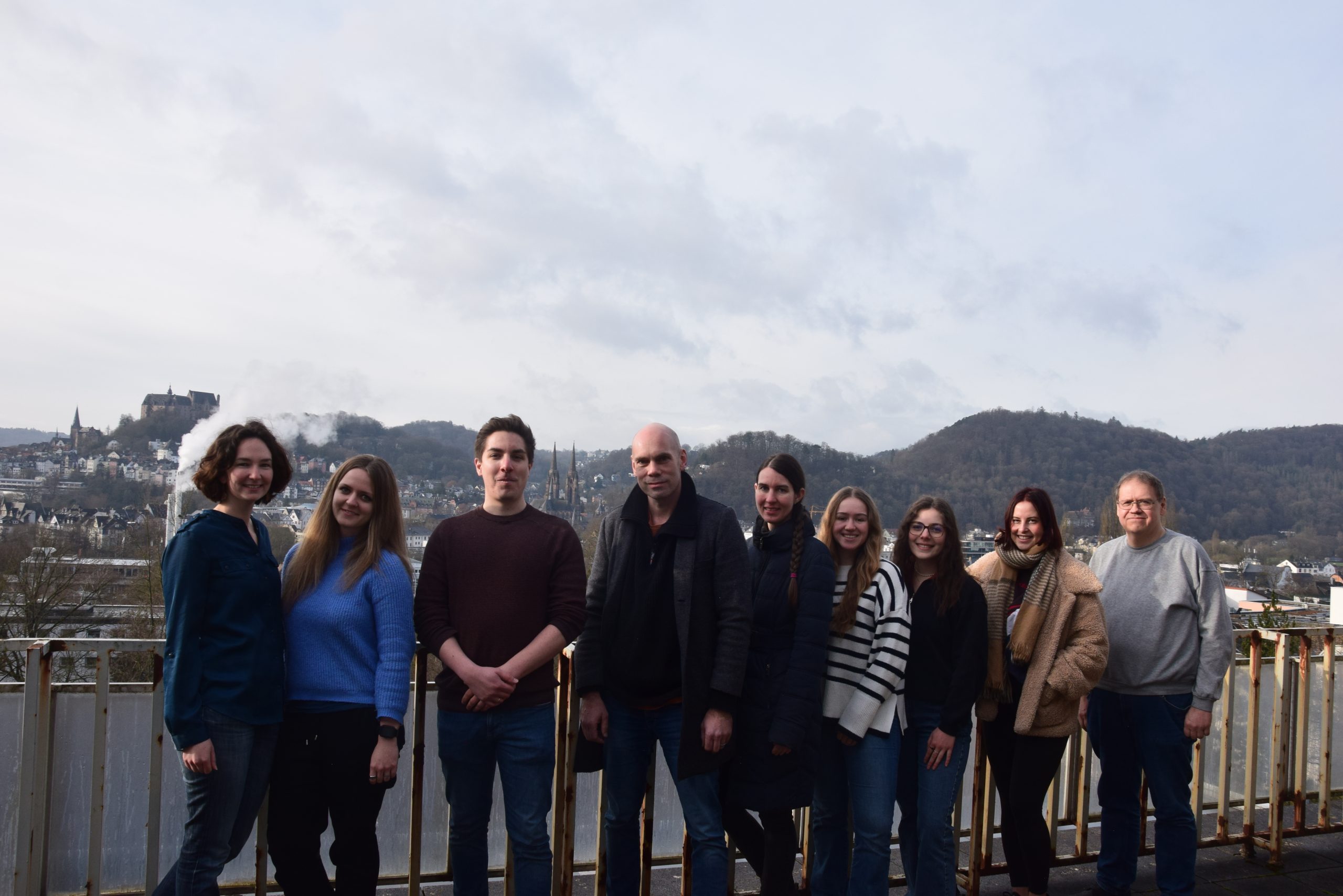
Lab Members