Research
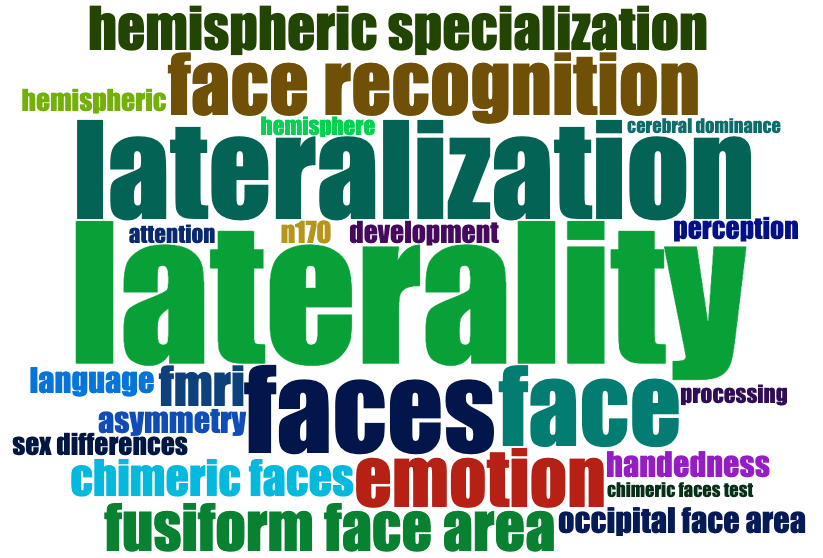
Our overarching goal is to understand the neural basis of cognitive functions, with a particular focus on brain lateralization – how the two hemispheres interact during the perception of faces, emotions, and other cognitive processes.
To address these questions, we employ a wide range of methods, including behavioral experiments, multimodal imaging techniques (especially magnetic resonance imaging, MRI), and computational modeling, to explore hemispheric specialization and inter-hemispheric communication in both healthy and clinical populations.
In addition, we develop and refine advanced imaging and analysis methods, improve MRI data quality, integrate multiple imaging modalities, and assess the reliability of results. We collaborate closely with clinical research groups to develop novel imaging biomarkers that can inform the diagnosis and individualized treatment of mental disorders, taking into account hemispheric differences and their relevance for cognitive and emotional processing.